If you have spent any time in the last six months looking for a home, you’ve likely spent hours scrolling through online property platforms. From high-definition virtual tours to interactive school rating maps, the digital experience of home shopping has evolved from a chore into a high-tech hobby. It’s easy to feel like you have a master’s degree in a zip code without ever leaving your couch.
But here is the hard truth I’ve learned in my 12 years in this industry: Online real estate data is a snapshot, not the full story. While the technology is incredible, it often strips away the "soul" of a neighborhood—the exact things that dictate whether you’ll love your commute, your Sunday morning routine, or your resale value five years from now.
Before you commit to a zip code based on an algorithm, let’s talk about what the portals are missing and why the "market" is rarely what the headlines say it is.
The Trap of National Averages
When you read reports from the National Association of Realtors (NAR), you are seeing a massive, macro-level view of the economy. It is vital data, but it is dangerous when applied to a specific block. I get annoyed when people tell me, "The market is hot right now," as if that applies to every house from the city center to the rural outskirts.
Real estate is hyper-local. I keep a running list of "one-street difference" pricing stories. I have seen houses on one side of a boulevard sell for $50,000 more than an identical home three blocks away—simply because the school district boundary line shifted, or one street has a hidden easement that turns it into a neighborhood cut-through for rush-hour traffic.
The "What Changed" Rule
Before I trust any number on an online portal or a national news headline, I ask: "What changed in the last 90 days?"
- Did a new major employer move into the industrial park nearby? Did the city announce a new tax levy for local infrastructure? Has the inventory shifted from "starter homes" to "investor flips"?
Online platforms often use "automated valuations" (AVMs) that rely on 6-month-old data. If the market shifted last month, those numbers are effectively Find more information fiction.
Why Neighborhood Factors Move Prices More Than You Think
Most buyers focus on the house. They look at the square footage, the finishings in the kitchen, and the floor plan. However, the true value of your investment is locked into the neighborhood context. Here is why the data you find on your phone often misses the mark:
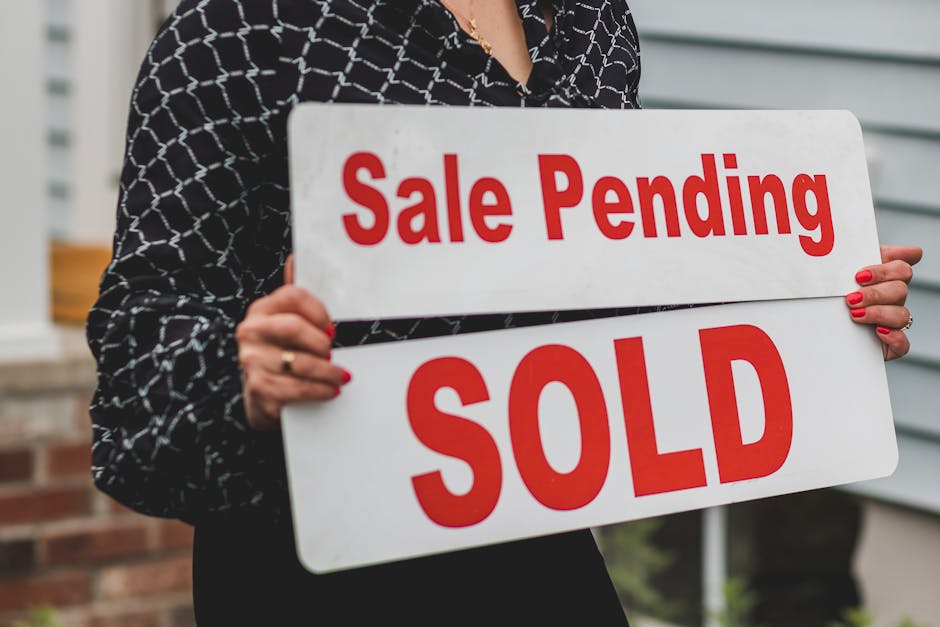
The Micro-Neighborhood Reality
You can’t map the "vibe" of a neighborhood. Algorithms struggle to account for:
The "Traffic Pattern" Factor: A street might look quiet at 2:00 PM on a Tuesday, but becomes a primary overflow route for commuters at 5:00 PM. Zoning Changes: Online platforms show you what is there now. They don’t usually flag that the vacant lot two doors down is permitted for a high-density commercial complex. The "Maintenance" Pulse: Are the neighbors actually living there, or is the street becoming a string of high-turnover rentals?Comparing Your Tools: What to Trust vs. What to Verify
I am not anti-technology. Virtual tours have changed the game for relocation buyers—they are essential for vetting a home’s layout. But use them as a filter, not a decision-maker. Here is a quick gut-check table to help you categorize your research:
Information Type Is the Platform Reliable? How to Verify (The Local Way) Square Footage Mostly (Check Public Records) Check the tax assessment vs. listing School Ratings Sometimes (They use old data) Visit the school during drop-off hours Future Development Rarely Review local planning commission minutes Noise/Safety Never Talk to a local resident or agentDon't Confuse Information with Expertise
There is a massive difference between having access to property data and having experience in a transaction. When you work with a team like McDonald Real Estate Co (mcdonaldrealestateco.com), you aren't just getting someone to open doors; you are getting someone who knows the "why" behind the neighborhood dynamics. We don’t just look at what the property sold for; we look at why the buyer paid that much and whether that trend has legs.
Digital tools have made searching easier, but they haven't made the actual transaction less complex. The legal hurdles, the inspection nuances, and the negotiation tactics are still human-to-human affairs.
The 15-Minute Gut-Check Checklist
Before you fall in love with a listing you found online, take 15 minutes to do these three things:
- Drive the neighborhood at different times: Go on a Friday night, a Monday morning commute, and a Sunday afternoon. It will tell you more than any census data ever could. Call the City Planning Office: Ask if there are any pending permits for the surrounding streets. You’d be surprised what you can learn from a five-minute conversation with a municipal employee. Ask your agent for the "No-Filter" take: If your agent is afraid to tell you the downsides of a specific street, you’re working with the wrong person.
Final Thoughts
Online property platforms are the beginning of your journey, not the destination. They are incredible for finding the "bones" of a house, but they are blind to the lifestyle you are actually buying. If you want to know if a neighborhood is going to hold its value or if it’s on the cusp of a major transformation, you need boots on the ground.

Stop relying on automated valuations and start looking for the micro-trends that are happening right under everyone’s noses. The market isn't a single, monolithic beast—it’s a collection of thousands of individual streets. Make sure you know which one you’re buying into.
For more insights on navigating your specific market, feel free to reach out to our team at McDonald Real Estate Co. We don't deal in buzzwords—we deal in reality.