Recirculation System Benefits for Faster Hot Water Delivery
What Is a Recirculation System and Why Does It Matter?
As of April 2024, one of the biggest complaints from new homeowners in St. George is about the wait time for hot water, especially in the master bathroom. It’s frustrating, right? You turn on the tap expecting warmth in seconds, and instead, you get an icy trickle for what feels like an eternity. The root cause often boils down to plumbing choices, specifically whether a recirculation system is installed or not.
Recirculation systems work by continuously cycling hot water through the pipes so it’s ready at the faucet without wasting gallons down the drain. Surprisingly, many builders skimp on this in new constructions, mainly because the upfront cost can be around $1,000 to $2,500 depending on home size and complexity. Personally, I’ve seen homeowners pay dearly later in water and energy bills because their homes didn’t include these systems from day one.
Truth is, recirculation system benefits go beyond just convenience. They slash wait times to almost zero and reduce water wastage by up to 30% in St. George’s dry climate, where every drop counts. Last March, I worked with Element Plumbing, Heating & Air, who retrofitted a recirculation pump for a client who’d lived with delays for years. The difference was night and day, but the retrofit cost was triple the price of installing it during the initial build. So if you're scanning homes or planning a new build here, a recirculation system pays off fast.
Common Mistakes Builders Make Around Recirculation
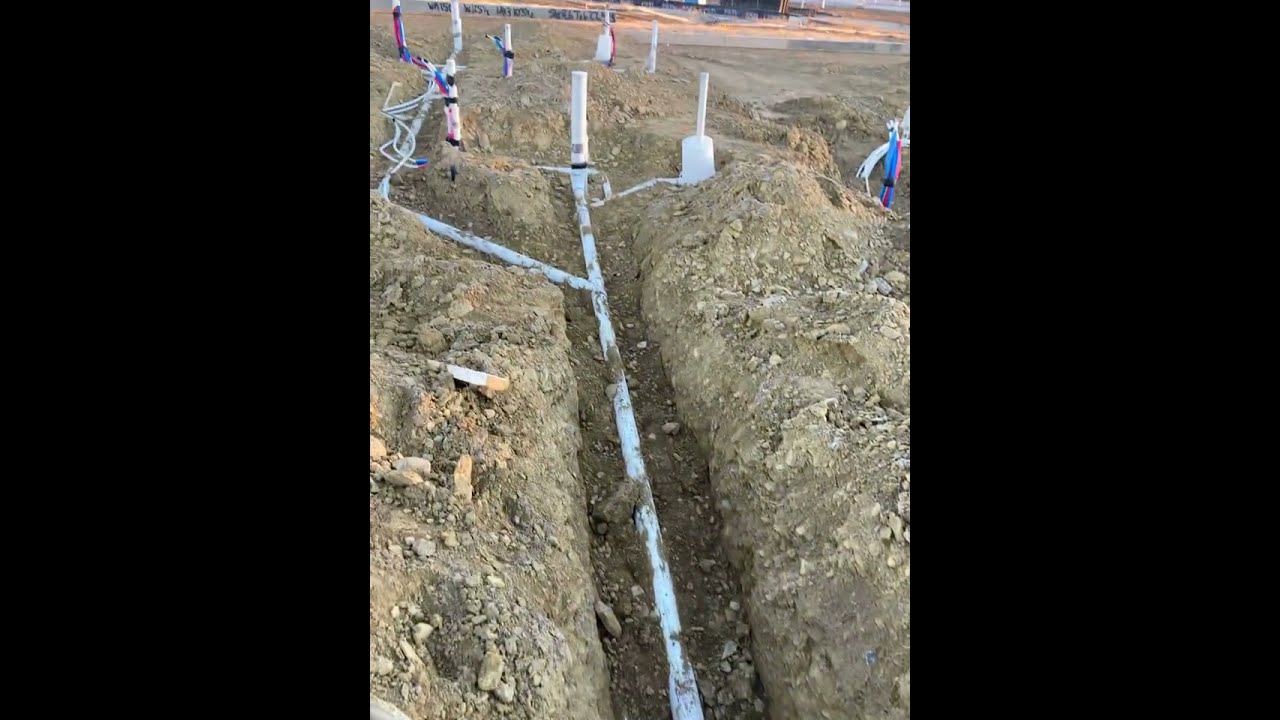
Speaking of Element Plumbing, they've pointed out a glaring, though often ignored, mistake: improper pump placement. Instead of installing a pump near the water heater or under the master bathroom sink, some builders place pumps in inconvenient spots, leading to inconsistent temperatures and pump noise. These problems usually don’t show up on st george new construction plumbing day one but crop up years later after warranty periods expire.
And plumbing companies I've talked to confirm that recirculation pumps without timers or motion sensors waste electricity. The ideal setup includes controls that activate the pump only during peak times, like mornings and evenings. Too many homes miss this feature, and that’s a costly oversight. You're basically exchanging one problem, waiting for hot water, for another: a higher utility bill.
How Recirculation Systems Work in Practice
In practice, recirculation systems operate silently behind walls, so many homeowners forget they're there. But if you’ve lived in a place where hot water takes forever to travel that long run of piping to the master bathroom, you'll appreciate how instantly warm water feels like a luxury. It’s exactly this kind of detail that high-end contractors nail and cheaper builders skimp on, leaving you stuck with pipe routing problems instead.
Pipe Routing Problems That Delay Hot Water
Understanding How Pipe Routing Affects Hot Water Speed
Pipe routing issues lie at the heart of why hot water lags in reaching certain fixtures. How the pipes snake through the walls and ceilings, and the materials used, directly impact water delivery. In many new constructions I’ve inspected in St. George, hoses and pipes to the master bathroom are unnecessarily long and twisted, sometimes running through attic spaces or around structural beams. The greater the pipe length, the more water must flush before hot water arrives.
And here’s a kicker: some builders pack insulation only for energy code minimums, which doesn't stop the water from cooling down in those lengthy stretches. There’s a noticeable chill when you wait that extra 45 seconds, which stings even more during cool desert nights.
Three Main Pipe Routing Problem Types in New Builds
- Overextended Pipe Runs – Oddly, some layouts position master bathrooms farthest from the water heater without consideration for the extra distance. This results in hot water playing marathon runner around the house. It's surprisingly common, and frankly, avoidable with better planning. Poor Pipe Insulation – Pipes in St. George should be insulated to keep water warmer longer. Builders sometimes skimp here to cut costs. The catch? Even if you have a recirculation system, poorly insulated pipes cause efficiency losses. Mixed Materials and Joints – Combining different pipe types (PEX with copper, for example) isn’t bad per se, but sloppy junctions create turbulence, reducing water flow speed and sometimes causing small leaks you won’t spot immediately. Avoid unless you want future headaches.
The Price of Pipe Routing Mistakes
Last year a client near the St. George hospital called me after frustration built for six months. They waited nearly 90 seconds for hot water because their new master bathroom was the last stop on a convoluted plumbing loop. The pipes wrapped through two attics and a crawl space. Fixing that took Element Plumbing two days and cost about $4,000, mostly labor and drywall repair. So while the initial build was "cheap," the after-the-fact fix ended up costly.
Instant Hot Water Solutions Beyond Recirculation Systems
Alternate Methods for Faster Hot Water Delivery
Not every new home owner or builder installs recirculation systems, mostly due to added cost or a preference for simpler designs. But if you want instant hot water solutions, options exist that don’t necessarily break the bank or call for major plumbing rewiring.
I recall a recent consultation where a homeowner considered point-of-use electric heaters under sinks. These mini tanks heat water directly at the faucet, slashing wait times dramatically for just a few hundred dollars per unit. They’re surprisingly efficient for bathrooms like the master. The downside? Limited volume and electricity consumption.
Combining Plumbing Design Strategies for Effectiveness
Look, the best results come from combining a few approaches. Shortening pipe runs, insulating them well, and adding point-of-use heaters at crucial spots makes an impactful trio of fixes. In one project Element Plumbing tackled in Ivins, they replaced a low-efficiency water heater, added better pipe routing with loops closer to bathrooms, plus two point-of-use heaters. The homeowner saw nearly instant hot water flow in under 10 seconds at the master faucet. That’s nearly unheard of in typical new homes around here.

The Importance of Bathroom Grouping in Plumbing
Here’s something I’ve learned after inspecting dozens of new homes: grouping bathrooms close together reduces pipe runs and complexity, improving hot water delivery and lowering installation costs. Element Plumbing often advises builders on grouping bathrooms on the same plumbing riser. This reduces wait times dramatically. If your new build’s master bathroom is miles away from other wet areas, expect delays and more plumbing headaches down the road. This isn’t always possible, especially on big lots, but when it’s not done, you pay for it later.
Local Expertise and Long-Term Maintenance Cost Reduction
The Value of Hiring St. George-Based Contractors
I've noticed that local contractors, like Element Plumbing, Heating & Air, often have a leg up over out-of-town companies. Their intimate knowledge of local code, water quality, and climate factors helps them design plumbing systems tuned for St. George’s quirks. For example, local water here can have higher mineral content, contributing to clogging and wear in pipes and fixtures if not accounted for during installation.
During an inspection last July, a client’s new build filled with mineral buildup after only a few months. The contractor hadn’t recommended proper filtration or pipe materials suited for our water hardness. That oversight meant costly repairs within the first year. Local expertise might have prevented that entirely.
Maintenance Insights to Save Money Over Time
Truth is, long-term maintenance costs often stem from choices made before foundations are even poured. Opting for quality materials, proper pipe routing, and pre-installed filtration systems reduces future headaches and expenses. For instance, oversized pipes might seem cheaper upfront but cause water pressure loss and wasted energy. Choosing the right pipe size tailored to fixture demand, plus accessible shut-off valves, can save thousands in repairs.
Why Inspection on New Builds Matters Most
You know what buyers miss? The chance to inspect plumbing before walls close up. You might think that brand-new means perfect. However, without inspection, you won't spot pipe routing problems, undersized pipes, or missing recirculation pumps until you’re stuck running cold water. Some inspections begin with reviewing blueprints; others include camera checks of installed pipes. Both are worth the effort and cost.
An Aside on Warranty Limits and Timing
A quick aside: most warranties cover defects for 1-2 years after construction but might not cover water pressure or temperature issues that develop gradually. You want to catch these issues on day one, or you risk footing repair bills yourself years later. The lesson? Be proactive, not reactive.
Ultimately, plumbing systems are the veins of your home. If they're sluggish or leaky, your daily routines suffer, and so does your wallet. If you’ve noticed hot water takes forever to reach that master bathroom, consider starting with a pipe routing evaluation and adding a recirculation system. Whatever you do, don’t ignore early signs of plumbing inefficiency because