I still remember the first time I helped a realtor friend save $2,400 on physical staging. We were staring at a vacant, dark condo, and she was ready to sign a massive check to a local warehouse. I told her, "Wait—let’s try virtual." We spent a fraction of that budget, got the photos back in 48 hours, and the property sold in a week. That was the moment I stopped being a generalist and started obsessing over pixels.
Since then, I’ve logged over 200 hours testing a dozen different platforms. I’ve learned that while the software is getting smarter, it’s not magic. And the most important question I ask every single time a client sends me a raw shot is: "Did you reshoot the photo first?" If the lighting is garbage or the angle makes the room look like a dungeon, no amount of AI is going to save you. But when you do it right, virtual staging isn't just a pretty picture—it's a data-driven listing strategy.
The Evolution: AI Virtual Staging vs. Physical Staging
Let’s be honest: physical staging is a massive logistical headache. You’re paying for furniture rental, movers, and the time the property sits empty. Virtual staging has democratized high-end presentation, but you have to be careful. I’ve seen some "AI" results that look like they belong in a budget video game—floating chairs, shadows that defy the laws of physics, and furniture scaled so poorly the room looks like a dollhouse.
When you choose a platform, you’re choosing between budget-friendly automated AI or professional-grade editors who understand perspective. I typically see the following price breakdown for quality services:
Service Type Estimated Cost per Image Standard Virtual Staging $25 - $30 Premium/High-End Editing (e.g., BoxBrownie) $32 - $48 Custom 3D Renderings $100+Leveraging Viewer Interaction Analytics
Why do we stage? To get eyes on the listing. But what happens after they click? This is where viewer interaction analytics become the backbone of your marketing strategy. By tracking how users engage with your staged photos versus the "before" vacant shots, you can determine if your staging style (e.g., Modern Farmhouse vs. Mid-Century Modern) is actually resonating with your local buyer demographic.
Listing performance data doesn’t lie. If your analytics tool shows that 70% of users drop off at the second photo—which happens to be the staged kitchen—you have a problem. In my experience, "rooms that break AI" are usually the culprits. Dark rooms, narrow kitchens, and awkward, narrow-angle shots often result in fake-looking lighting that triggers an immediate "skip" response in a buyer’s brain. If the staging looks like a sticker pasted onto a wall, the user loses trust in the listing immediately.
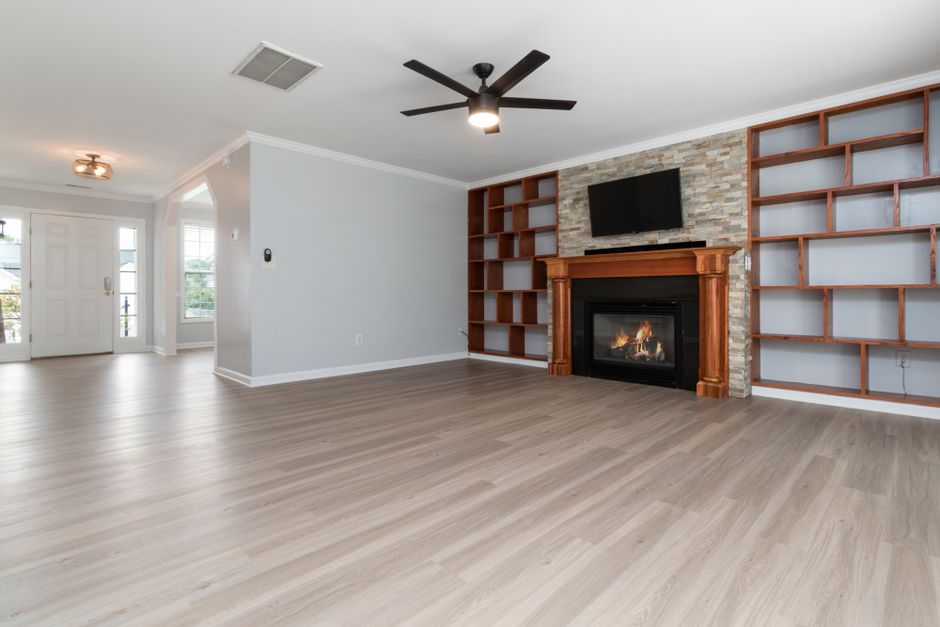
The Metrics That Matter:
- Time-on-Page: Are they lingering on the staged living room to check the flow? Click-Through Rate (CTR): Does the staged hero image outperform the vacant one? Inquiry Conversion: How many leads are generated per thousand views?
The "48-Hour" Pressure: Turnaround Times and Deadlines
In this industry, turnaround times are everything. I’ve spent countless weekends racing against listing deadlines. You have 30 seconds to grab a buyer's attention on Zillow or Realtor.com. If your staging provider takes 96 hours to deliver, you’ve already lost the prime "new listing" exposure window.

When selecting a platform, look for a 24-to-48-hour guarantee. If they promise "instant" results, be wary. True realism requires human oversight—someone to check the shadows, someone to ensure the furniture scale matches the floorplan, and someone to ensure the lighting temperatures are consistent. If you are rushing, you are likely ignoring the most critical part of best ai virtual staging software the process: quality control.
MLS Workflow and Disclosure Rules: Don't Get Fined
I see too many agents skipping this step, and it drives me crazy. Ignoring disclosure rules isn't just unprofessional; it can get you flagged by your MLS board. Every single staged image must be clearly identified. You are not trying to "trick" the buyer; you are showing them the potential of the space.
Your disclosure should be clear and concise. A simple caption in the listing description—"Virtually staged for visualization"—is usually sufficient, but always check your local MLS requirements. Using client engagement tracking to monitor how many people click "read more" on your listing can actually help you see if your disclosure is being seen and understood by your audience.
Why "Rooms That Break AI" Are Your Real Problem
During my years of testing platforms, I’ve kept a "blacklist" of rooms that consistently look bad when staged by AI. If your photo falls into these categories, rethink your strategy:
The "Dark Room" Cave: AI struggles to generate realistic ambient light. If the room is dark, the furniture will look like it's glowing. The Narrow Kitchen: Scaling is a nightmare here. You’ll end up with an island that looks like it’s floating in the middle of a hallway. Awkward Angles: If your wide-angle lens has distorted the corners of the room, no software on earth will make the furniture look straight.Before you blame the staging software, ask yourself: Did I light the space? Did I clear the clutter? If you’re staging a trash-filled room, you’re just putting lipstick on a pig, and the analytics will show that users are bouncing faster than a rubber ball.
Final Thoughts: Data-Driven Staging
Virtual staging is virtual staging for realtors not a "set it and forget it" solution. It is a marketing asset that needs to be monitored, optimized, and disclosed properly. By integrating listing performance data into your workflow, you can stop guessing what buyers want and start proving it. Spend the $32-48 per image on a quality service, respect the disclosure rules, and for heaven's sake, put the camera on a tripod and get the shot right the first time. Your analytics—and your clients—will thank you.
Now, go check your listing engagement stats. Are your staged photos helping, or are they just taking up digital space?