If you have been in the North Texas market for as long as I have, you know the script. We walk through a house, the seller points up at the shingles, and they say, “The roof is fine.” I always stop them right there. My first question is always the same: "What will the inspector write up?"
In this market, "fine" is not a technical term. It is a dangerous assumption. In North Texas, the roof, the HVAC system, and the foundation are the "Big Three" deal-killers. If you don't have a plan for how to handle these before you list, you aren't selling a house—you are walking into a trap set by the inspection report.
Whether a buyer asks for a small credit or demands a full replacement doesn't come down to how pretty the shingles look from the street. It comes down to risk, insurance insurability, and the harsh realities of our climate.
The Inspection Trigger: Why the Roof is a Negotiation Pivot Point
When a buyer hires a licensed professional home inspector, they aren't paying for an opinion on aesthetics. They are paying for a diagnostic report on risk. The inspector is going to get up on that roof—or at the very least, use a drone or high-powered binoculars—to look for specific failures.
If the inspector writes up "granular loss, exposed felt, or wind-damaged shingles," the negotiation has officially moved from a conversation to a battle. Once that report hits the buyer’s inbox, they no longer care about your feelings or your "recently updated" vague promises. They care about their wallet and their insurance carrier.
I frequently talk about this on industry forums like ActiveRain. The consensus among top-tier agents is clear: if the inspection highlights a roof at the end of its life, the buyer is going to ask for a replacement. A credit rarely covers the actual cost of a full roof, and savvy buyers know that a cheap patch-job won't fix their long-term insurance issues.
The Silent Negotiator: Insurance Underwriting
This is where most sellers get blindsided. You might think, "The roof doesn't leak, so why should I replace it?" The problem isn't necessarily the water intrusion—it’s the insurance policy. In Texas, insurance companies are tightening their underwriting guidelines like a vice.
If a roof is over 10 or 15 years old, many insurance carriers will refuse to write a policy unless that roof is replaced. If the buyer’s lender requires a policy to close, and the carrier says "no" because of the roof age, the deal is dead on arrival unless you fix it. This is why I tell my clients: Your roof's age is the primary factor in your negotiation outcome.
Consulting resources like the Federal Emergency Management Agency (FEMA) guidelines on home preparedness can give you a better understanding of how building standards and wind/hail mitigation are viewed by insurers. They don't want to insure a risk that is statistically prone to failure in the next big North Texas storm.
Texas Climate Realities: Hail, Heat, and Storms
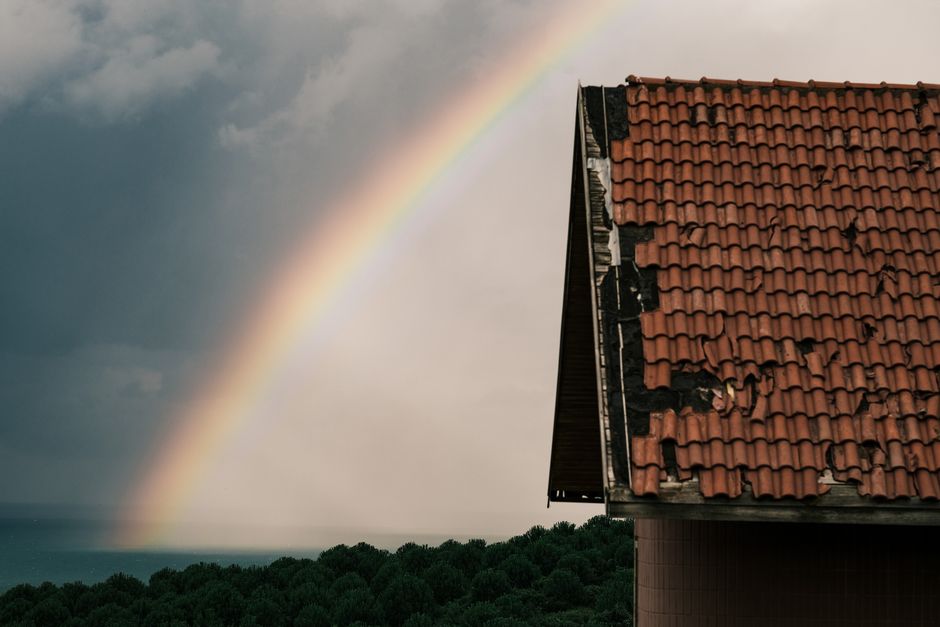
You know what's funny? we don't live in a climate that is kind to asphalt shingles. We deal with triple-digit heat that bakes the oils out of the shingles, activerain.com followed by hail storms that can strip them bare in minutes. When I see a listing that claims to be "recently updated" without providing a date or a paid invoice, I get frustrated. A "recent update" means nothing if it didn't include a certified inspection.

If you are serious about selling, stop guessing. Bring in a professional. I often point my clients toward experts like Fireman’s Roofing Texas to get a professional assessment before the listing goes live. Having a documented roof inspection in your disclosure packet doesn't just prevent buyer repair demands; it puts you in control of the narrative.
The Negotiation Table: Credit vs. Replacement
When you get to the repair amendment stage, your choice is between a credit (money off the purchase price) or a replacement (you paying a contractor). Here is how those conversations usually go:
Scenario Buyer's Likely Request Likelihood of Success Roof is 15+ years old; evidence of leaks Full Replacement Very High Roof is 10-12 years old; moderate granular loss $3,000 - $5,000 Credit Moderate Roof is <5 years old; documented professional install None High <h2> How to Stop the "Repair Demand" SpiralIf you want to avoid the headache of buyer repair demands, you need to be proactive. Waiting for the buyer to find a problem is the worst strategy in the book. Here is my checklist for North Texas sellers:. Anyway,
Get Ahead of the Inspection: Hire a reputable roofer to do a pre-listing inspection. Keep that report on the kitchen counter during showings. Validate the "Updates": If you claim a roof is newer, have the permit number and the paid invoice ready. If you can't prove it, don't mention it. Budget for the Negotiated Credit: If your roof is older, assume you will be offering a credit. Build that into your bottom-line expectations before you even set your listing price. Be Transparent: If you know the roof is at the end of its life, disclose it. It stops the "gotcha" moment during the inspection period.The Verdict
Buyers will almost always ask for a full replacement if the inspection report suggests that they cannot secure affordable home insurance. They are not trying to be difficult; they are trying to protect their investment from the next North Texas storm season.
Stop overpromising ROI on a house with a questionable roof. Stop calling a roof "fine" just because it isn't currently leaking. Get an inspection, get the documentation, and understand that in today’s market, your roof is the first thing a buyer looks at when they decide if your home is worth the risk.
If you aren't prepared to address the roof issue, you aren't prepared to sell your home. Stay informed, stay documented, and never assume the buyer won't notice. They will—and the inspector will make sure of it.