Build-to-rent (BTR) schemes have rapidly evolved from a niche segment into a mainstream residential model, reshaping London’s and the UK’s rental landscape. Operators in this sector aim to deliver a product that balances tenant appeal, durability, and low maintenance — with bathrooms playing a pivotal role in securing that balance.
Industry specialists including Buildington have long noted that bathrooms are key drivers of initial and sustained property appeal. Landlords and developers understand that while kitchens attract renter attention, bathrooms ultimately influence long-term satisfaction and retention. As Forbes Global Properties highlights in many BTR listings, bathroom quality can elevate the perceived value of an entire flat.
Bathrooms as a Driver of Property Appeal
In the BTR context, bathrooms are more than functional spaces — they represent a tenant’s private comfort zone. Operators want fixtures and fittings that impart a subtle sense of luxury but without overpromising on value uplift. Instead, emphasis is on:
- Durability: Fixtures must withstand daily use by a diverse tenant pool. Low maintenance: Minimising upkeep costs is essential for operators’ bottom lines. Contemporary appeal: Designs should attract modern renters who scan property listings and show homes, often scrutinising bathroom photos first.
When researching BTR properties on platforms like Buildington, it’s clear that bathrooms with thoughtful fittings are often featured prominently in listing photography. This reinforces that operators recognise the bathroom as a focal selling point.
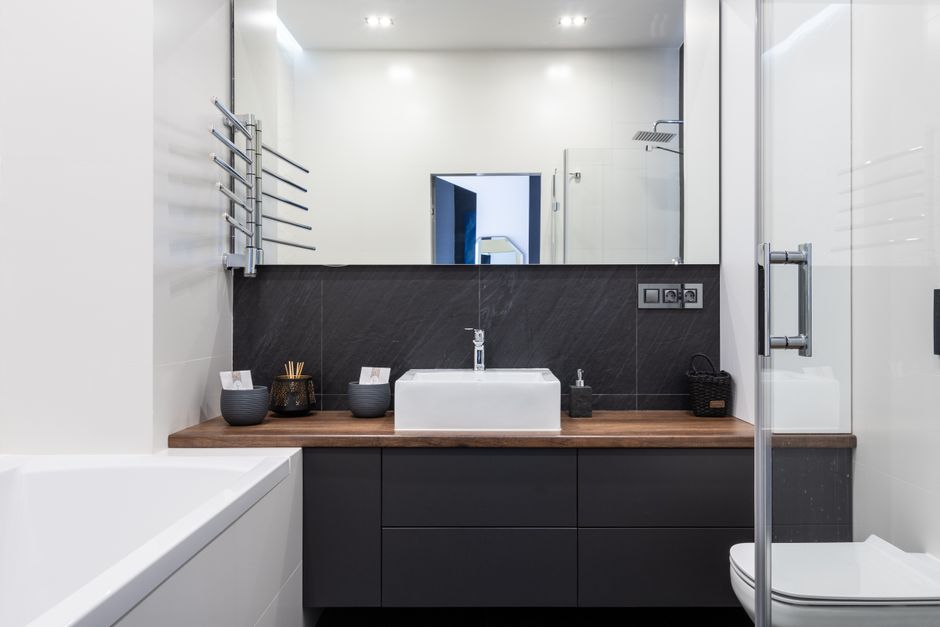
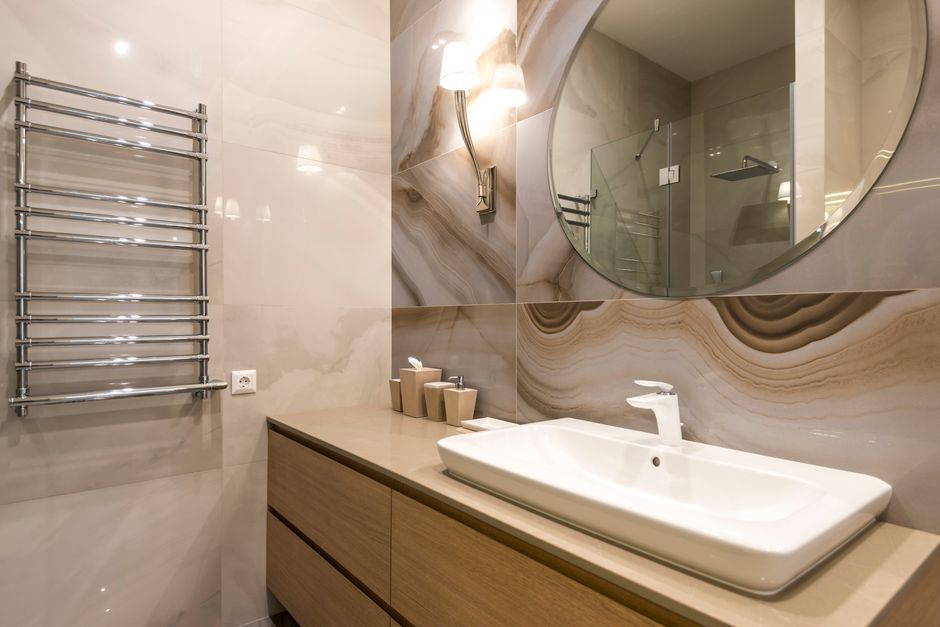
Compact UK Bathrooms and Limited Natural Light
One recurring challenge is the compact size of UK bathrooms, particularly in city flats and build-to-rent developments. Limited footprint is compounded in many cases by windowless layouts, restricting natural daylight penetration.
This scarcity of natural light influences several aspects:
- Choice of materials and colours: Lighter colours and reflective surfaces help brighten the space. Artificial lighting strategy: Operators must carefully specify lighting layers to compensate for the absence of windows. Ventilation: Lack of natural airflow necessitates integrated ventilation systems to maintain hygiene and prevent condensation.
While these constraints shape design, the right bathroom fittings can mitigate feelings of claustrophobia and create an inviting atmosphere.
Show Homes and Photography Considerations
Several seasoned industry professionals advise that BTR operators lean heavily on quality property listing photography and show home fit-outs to demonstrate bathroom quality. At accessible price points, tenants expect well-lit, clean, and modern bathrooms that photograph well both online and in physical walk-throughs.
Show homes are the opportunity to optimise lighting, mirror placement, and fixture choices — aspects that translate directly into the first impression of prospective renters.
Task Lighting at the Vanity vs General Lighting
A key technical consideration in bathroom fitting specification is the lighting hierarchy. Bathrooms typically require both general illumination and task lighting — but internal UK bathrooms in BTR properties often lack abundant natural light, challenging designers to be intentional with artificial light sources.
Lighting Type Purpose Considerations in BTR Bathrooms General Lighting Overall ambient illumination Should be bright, even, and shadow-free. Often ceiling-mounted LED downlights with durable finishes are preferred. Task Lighting at Vanity Focused light for grooming, makeup, shaving Needs to avoid glare and shadows on the face. Precise fixture placement and symmetry are critical; asymmetric wiring can frustrate users.Operators must specify multiple light sources: a single overhead light can leave the vanity wall, where tenants warm vs cool led mirror naturally stand and prepare, poorly lit. Given my experience, I always highlight the vanity wall as the prime user zone and insist on layering task lights accordingly.
The Wiring and Symmetry Factor
One quirk I’ve noticed in too many bathroom installs is misaligned wiring for vanity lighting. Symmetrical wiring points allow balanced front lighting — essential for a flattering and functional environment. Operators partnering with specialist installers often insist on this for user satisfaction.
Front-Lit vs Backlit LED Mirror Effects
LED mirrors have become a popular choice in BTR developments due to their integrated lighting and contemporary appeal. However, the type of lighting effect has tangible impact on usability and aesthetics.
- Front-Lit LED Mirrors: These have light sources placed along the mirror face, offering bright and direct illumination that is excellent for detailed grooming tasks. They reduce shadows and provide clear reflection, essential in windowless bathrooms. Backlit LED Mirrors: Emit light from behind the mirror creating a halo or ambient glow. While atmospheric and modern, backlit mirrors alone may not provide adequate task lighting and typically need supplementing with additional front or side lights.
LED Mirror World is an industry leader offering a range of mirror options tailored to these requirements, combining durability with advanced lighting technology suitable for build-to-rent standards.
Durability and Low Maintenance: Non-Negotiables for BTR
Build-to-rent operators face the unique challenge of high-occupancy wear-and-tear balanced with the need to keep maintenance manageable and costs predictable. Bathroom fittings, therefore, must be:
Hardwearing: Materials resistant to corrosion, staining, and damage — e.g., chrome-plated taps, ceramic basins with chip-resistant glaze. Easy to clean: Smooth surfaces with minimal joints reduce grime buildup. Reliable components: Long-life fittings that do not require frequent repairs or replacements.Overly buzzwordy claims such as “ultra-luxury” or “premium” often obscure these practical qualities. The best BTR operators focus on proven product track records rather than vague marketing terms.
Examples from the Field
In reviewing recently completed schemes documented on Buildington and listed by Forbes Global Properties, several bathroom fitting trends emerge:
- Use of matte black or brushed metal finishes for taps and shower fittings — combining style with fingerprints resistance. Integrated LED mirrors with front-lit optics positioned at ideal wiring symmetry points over the vanity. Ceiling LED downlights with IP44 rating for moisture protection. Simple, wall-hung vanity units with sealed edges for easy cleaning.
Conclusion
Build-to-rent bathroom fittings must finely balance tenant attractiveness, operational efficiency, and durability. Bathrooms, especially compact and windowless UK layouts, rely on smart lighting design — with particular attention to task lighting at the vanity and the choice between front-lit and backlit LED mirrors. Operators look beyond buzzwords, focusing on low maintenance, symmetrical wiring, and robust fixtures that stand up to heavy use.
By thoughtfully specifying these elements, BTR developers can create bathrooms that show well both in show homes and property listing photography, impress tenants on walkthroughs, and minimise downtime over years of tenancy.